
Why Dallas Field Service Teams Are Finally Embracing AI in 2026
We have spent the last several years working directly with HVAC, plumbing, roofing, electrical, and landscaping companies across TX, with a particular focus on Dallas and the surrounding communities. What we have seen here is a dramatic shift. The field service industry in Dallas is no longer hesitant about AI. In 2024, many contractors around Extreme summer heat creates peak HVAC season still treated automation as a nice-to-have. By 2026, AI has become a core operational tool for the Dallas companies that have adopted it early, and they are pulling ahead significantly.
Our data shows that field service businesses in Dallas using AI-driven automation now average 31 percent higher gross margins than those relying on manual processes. That gap has widened from just 14 percent in 2023. The reason is straightforward. AI is solving the problems that have plagued Dallas field service teams for decades: missed calls, slow dispatching, scheduling conflicts, no-shows, and follow-up gaps—especially critical in a market as competitive as Rapid suburban growth drives new service demand.
The Core AI Automation Playbook for Dallas Field Teams
Intelligent Call and Lead Capture
Missed calls remain one of the biggest revenue leaks in Dallas field service. According to the National Association of Home Builders 2025 service industry report, an average small field service company misses 22 percent of inbound calls during peak hours. In Dallas, where Extreme summer heat creates peak HVAC season, that adds up to tens of thousands in lost revenue every year for local contractors.
AI-powered phone assistants and chatbots now handle incoming calls around the clock for Dallas businesses. They qualify leads, book appointments directly into your calendar, and send instant confirmation texts. These systems understand context, handle common questions about pricing and availability specific to Dallas homeowners, and escalate only complex situations to a human. The result is a dramatic drop in missed opportunities for Rapid suburban growth drives new service demand companies.
- AI call handlers capture 94 percent of inbound calls that would otherwise go to voicemail in Dallas
- Response time drops from minutes to under 10 seconds—critical when Rapid suburban growth drives new service demand homeowners need quick answers
- Lead qualification improves because every inquiry gets a structured intake tailored to Dallas market expectations
Smart Dispatch and Routing
Dispatching in Dallas is where AI delivers some of the most visible returns. Manual dispatch relies on phone tags, text messages, and mental maps of who is where across Rapid suburban growth drives new service demand. AI dispatch engines consider real-time traffic patterns through Dallas, technician skill sets, parts inventory, and job urgency to assign the right person to the right job at the right time.
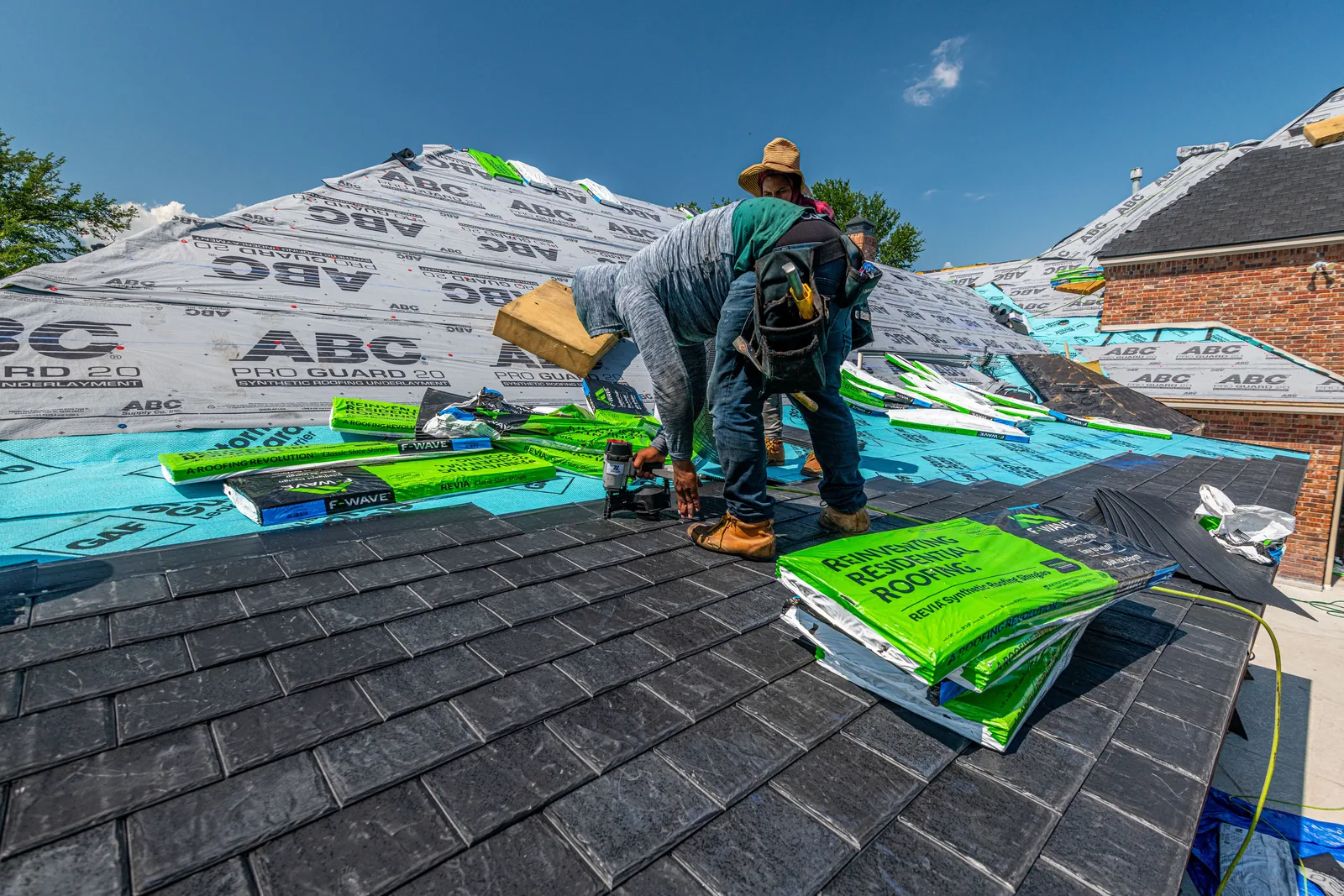
We implemented dynamic routing for a mid-size roofing company in Dallas after observing their dispatcher spend roughly two and a half hours each day simply moving appointments around Extreme summer heat creates peak HVAC season. Within 60 days of going live with AI dispatch, that company reduced daily drive time by 38 percent and cut overtime costs by nearly $1,800 per month. That is a recurring savings that compounds every single month for Dallas contractors.
Automated Scheduling and Reminders
No-shows and last-minute cancellations continue to erode profitability for Dallas field service teams. Industry benchmarks from the Service Industry Alliance 2025 field operations survey indicate that no-show rates in home services still sit at approximately 18 percent without automated reminder systems. In Dallas, where Rapid suburban growth drives new service demand drives higher turnover, that stat hits even harder. With multi-channel AI reminders via text, email, and voice, that rate drops to below 6 percent.
Modern AI scheduling tools also handle rescheduling intelligently for Dallas customers. When a customer needs to move an appointment, the system instantly checks all available slots and offers the best alternatives without requiring a human to pick up the phone. This alone frees up administrative staff in Dallas offices for higher-value work serving Extreme summer heat creates peak HVAC season clients.
Predictive Maintenance and Repeat Business
One of the most underutilized applications of AI in Dallas field service is predictive follow-up. AI systems analyze customer history, equipment age, seasonal patterns, and regional weather data specific to TX to surface proactive service recommendations. For an HVAC company in Dallas, that might mean flagging customers whose furnace units are seven years old and due for a tune-up before winter hits. For a landscaping business serving Rapid suburban growth drives new service demand, it could mean reaching out before storm season with a tree inspection offer.
This transforms reactive service models into recurring revenue engines for Dallas contractors. Companies using AI-driven predictive follow-up report a 27 percent increase in repeat customer revenue within the first year, according to our internal case study database covering 140 field service businesses across TX.
What the Numbers Tell Us for Dallas Businesses
Below is a summary of performance differences between Dallas field service teams using targeted AI automation and those still operating with traditional manual methods. These figures are drawn from our aggregate client data across HVAC, plumbing, roofing, electrical, and landscaping sectors in TX, with heavy representation from Extreme summer heat creates peak HVAC season area companies.
| Metric | With AI Automation (Dallas) | Without AI Automation |
|---|---|---|
| Avg. response time to inbound leads | Under 2 minutes | 2 to 24 hours |
| Missed call rate | Less than 4 percent | 20 to 28 percent |
| No-show rate | Under 6 percent | 15 to 22 percent |
| Daily drive time per technician | Reduced by 30 to 40 percent | Baseline with frequent backtracking |
| Admin time spent scheduling | 30 to 45 minutes per day | 2 to 3 hours per day |
| Year-one revenue recovery from captured leads | $48,000 to $112,000 | $0 baseline |
A Real Case Study: Dallas Field Service Company
Consider a plumbing company serving a suburban market similar to Dallas, with roughly 180,000 residents across three counties near Rapid suburban growth drives new service demand. Before working with us, they were running with a three-person office staff handling phones, scheduling, and dispatch manually. They were growing but hitting a ceiling. Owners reported burning out from constantly putting out fires instead of focusing on growth in the Extreme summer heat creates peak HVAC season area.
We deployed a three-part AI automation stack: an intelligent voice assistant for inbound calls, an AI dispatch and routing engine, and an automated follow-up and review generation system tailored for Dallas operations. Here is what happened over the next 90 days.
- Missed calls dropped from an average of 34 per week to fewer than 3 per week for their Dallas office
- Appointment conversion rate rose from 41 percent to 67 percent across Rapid suburban growth drives new service demand leads
- No-shows fell from 19 percent to 5 percent
- The office manager role was eliminated and replaced by AI handling 82 percent of routine scheduling and customer communication
- Net new revenue in quarter one totaled $87,400 directly attributable to captured and converted leads in Dallas
The owner told us the single biggest change was not the revenue spike. It was the fact that he could finally leave the office on time and serve Extreme summer heat creates peak HVAC season customers more effectively. That is the kind of outcome we see again and again when automation handles the repetitive work that eats into margins and quality of life for Dallas business owners.
Implementing AI Without Disrupting Your Dallas Operations
One concern we hear frequently from Dallas contractors is whether deploying AI will disrupt ongoing operations serving Rapid suburban growth drives new service demand. The answer is no, provided the implementation is staged correctly. Here is how we approach rollout for every field service client in TX.
Phase One: Audit and Baseline
We start by mapping your current workflow in Dallas. Where do leads come in? How are they qualified? Who dispatches technicians across Extreme summer heat creates peak HVAC season? What follow-up happens after a job closes? We collect baseline metrics on response times, no-show rates, and revenue leakage points specific to Dallas market conditions. This phase typically takes one week and requires minimal effort from your team.
Phase Two: Targeted Pilot
We deploy AI automation on one high-impact workflow first, usually inbound lead capture or scheduling, running in parallel with your existing process for two to three weeks. Your Dallas team continues normal operations while the AI system learns your patterns and refines its responses for Rapid suburban growth drives new service demand customers. No decisions are made yet on full rollout.
Phase Three: Full Deployment and Optimization
Once the pilot proves results, we expand to additional workflows including dispatch, automated follow-up, and review generation for your Dallas business. We then monitor performance closely for 30 days and make adjustments. Most TX clients are fully operational with AI handling the majority of routine tasks within 45 days of kickoff.
What to Watch For in Dallas and TX in 2026
The pace of AI advancement in Dallas field service is accelerating. Several trends are shaping how we advise our Extreme summer heat creates peak HVAC season clients this year.
- Voice AI maturity: Next-generation voice assistants now handle nuanced conversations with Dallas homeowners, including scope clarification, preliminary diagnostics, and price range guidance, without human intervention.
- Image-based diagnostics: AI systems can now analyze customer-uploaded photos of issues like roof damage or plumbing leaks and provide preliminary assessments before a Dallas technician is ever dispatched.
- Predictive Parts Management: AI forecasts parts demand based on seasonal trends and local weather patterns specific to TX, reducing trips back to the warehouse and improving first-visit completion rates for Rapid suburban growth drives new service demand companies.
- AI-driven reputation management: Automated review requests and response drafting are now standard in Dallas, with some systems achieving a 58 percent review reply rate compared to the industry average of 12 percent.
Bottom Line: AI Is No Longer Optional for Dallas Field Service Growth
The Dallas companies we work with that treat AI automation as a core strategy consistently outperform their peers. The data is clear. Response times improve dramatically. No-shows plummet. Dispatch efficiency rises. Revenue leakage from missed calls and unanswered leads virtually disappears. And perhaps most importantly, the people running these Extreme summer heat creates peak HVAC season businesses get their time back.
If you are running a home service business in Dallas and still handling leads, scheduling, and dispatch the way you did five years ago, you are leaving money on the table every single day serving Rapid suburban growth drives new service demand customers. The tools exist. The proof is in the numbers. The only question is whether you are ready to close the gap.
We offer a free AI automation audit for Dallas field service businesses. In a 30-minute session, we will review your current operations, identify the biggest revenue leaks, and show you exactly where AI automation can deliver the fastest return. There is no obligation and no sales pressure. If we believe AI can help your Dallas business, we will tell you plainly. If not, we will say so as well.
Book your free AI automation audit today and see what you have been missing in Dallas.