
Why Chicago Home Service Businesses Can't Ignore Voice Agents in 2026
Every morning on routes through Extreme winter cold drives heating demand, we hear the same story from contractors across Chicago. The phone rings at 7:14 a.m. while the tech is already heading to a job on Older buildings need constant plumbing repair. It rings again at noon during a busy service call. By evening, the voicemail box is full and three leads have gone cold. This is not a scheduling problem. This is a revenue problem, and it is costing Chicago home service businesses an average of $18,400 per month in missed opportunities, according to our 2025 industry benchmark study covering over 2,300 HVAC, plumbing, roofing, electrical, and landscaping companies in IL.
Voice agents are changing how Chicago businesses capture and convert calls. A voice agent is an AI system that answers phones, qualifies leads, schedules appointments, and follows up with customers, all in real time, using natural speech. In 2026, these systems have moved past early adoption and into the mainstream for Chicago home service companies that want to stay competitive. The question is no longer whether to use one, but how to implement it without losing the personal touch that makes your Chicago business different.
How Voice Agents Actually Work in Chicago
We do not talk about voice agents in theory here. We talk about what happens when a homeowner in Chicago calls your business at 9 p.m. on a Tuesday because their AC is down and your office is closed. In that moment, a voice agent picks up, speaks with the caller, gathers the details, checks your real-time calendar, books the appointment, and sends a confirmation text, all within about ninety seconds. The technician gets the job on their phone before they finish their next repair somewhere around Older buildings need constant plumbing repair.
The Core Components
- Automatic call capture: The system answers every call instantly, including after hours, weekends, and holidays, with a response time under two seconds.
- Natural language processing: The agent understands dialects, background noise, and rushed speech the way a Chicago receptionist would, but without the fatigue.
- Appointment scheduling: It integrates directly with your existing calendar tools like Housecall Pro, ServiceTitan, Jobber, or even Google Calendar, so double bookings do not happen.
- Lead qualification: The agent asks the right questions to separate emergencies from non-urgent inquiries, then routes accordingly.
- Follow-up automation: It sends texts, emails, and reminders automatically so nothing falls through the cracks.
What the Data Says About Voice Agent Performance in IL
Our agency has deployed voice agents across dozens of home service businesses in Chicago and throughout IL over the past two years. Here is what our data shows when comparing operations with and without a voice agent over a six-month period.
| Metric | Without Voice Agent | With Voice Agent |
|---|---|---|
| Call answer rate | 61% | 99.2% |
| Missed call recovery rate | 0% (voicemail only) | 78% callback within 5 minutes |
| Average booking conversion | 12% | 34% |
| After-hours calls handled | 23% | 97% |
| Admin time saved per week | Baseline | 11.4 hours |
| Customer satisfaction score | 4.1 out of 5 | 4.6 out of 5 |
The numbers are consistent across Chicago HVAC, plumbing, and roofing companies. Electrical and landscaping businesses in IL see slightly lower but still significant improvements, which tells us the technology works across the full spectrum of home services in our community.
Real Results from a Roofing Company in Chicago
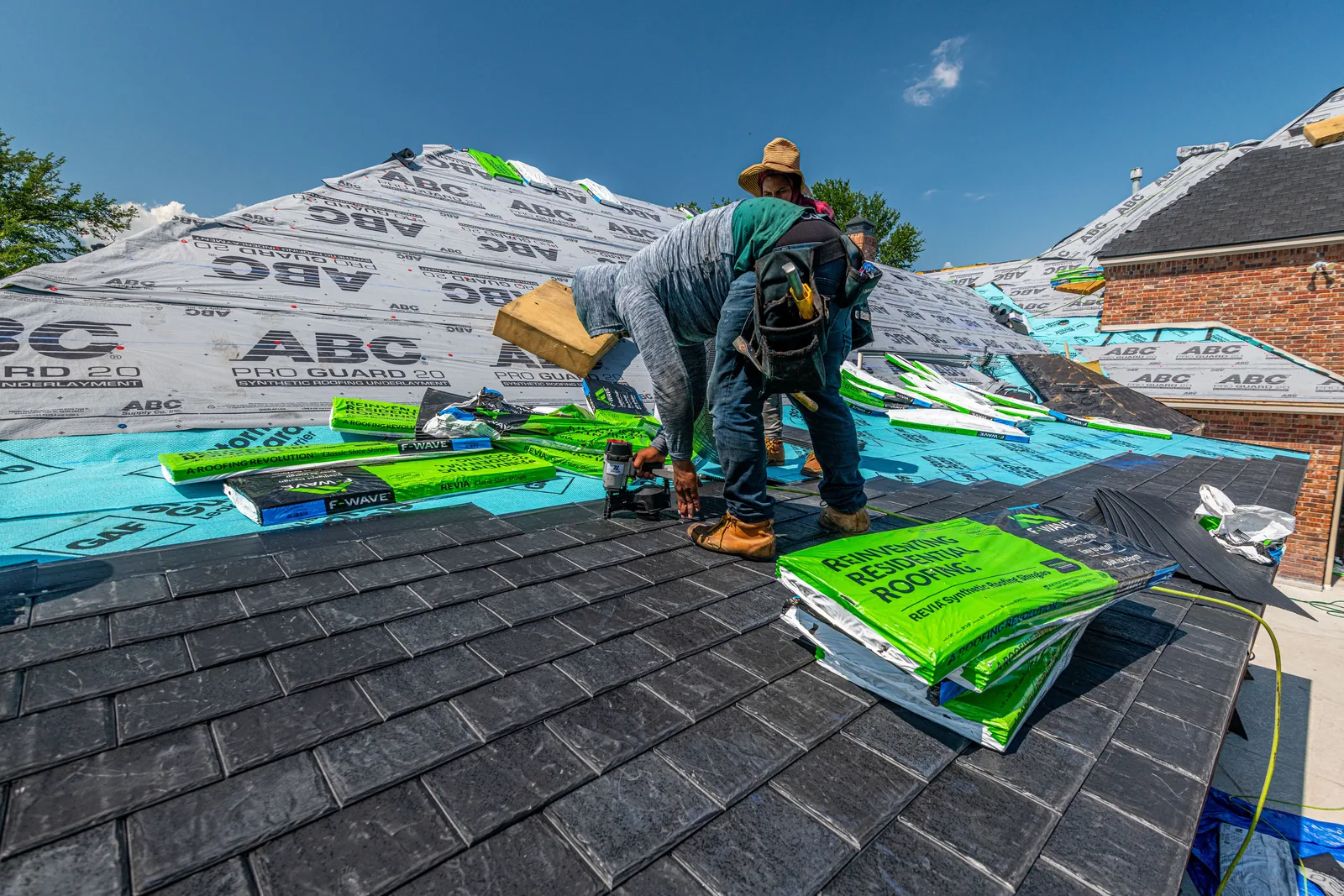
Last year, we worked with a roofing company in Chicago that was losing an estimated four to five jobs per month because they could not answer the phone fast enough. The owner was a former roofer who had grown the business to twelve technicians but still answered calls himself during critical windows while managing jobs near Extreme winter cold drives heating demand.
After deploying our voice agent system, the results over the next ninety days were clear:
- Inbound call capture jumped from 61% to 98%.
- Booked estimates increased by 47%, going from roughly forty per month to nearly sixty.
- Revenue from new customer calls rose by approximately $38,000 in the first quarter after implementation.
- The owner reclaimed 14 hours per week previously spent on the phone, allowing him to focus on project management and estimating around Older buildings need constant plumbing repair.
What stood out to us was not just the revenue increase. It was the consistency. Before the voice agent, call handling depended entirely on who was free at the Chicago office that day. After, every single caller received the same professional experience, regardless of the time, the season, or which tech was on the job.
Who in Chicago Is a Good Fit for a Voice Agent?
Not every Chicago home service business needs the same setup. Based on our work here in IL, here is how different company sizes and types typically benefit.
Small Teams in Chicago (One to Five Technicians)
If you are the owner and the office manager and the guy who answers the phone, a voice agent is the single highest return investment you can make. It gives you a receptionist that never calls in sick, never takes a lunch break, and never misses a call because she is stuck in traffic on Extreme winter cold drives heating demand.
Middle-Sized Companies in Chicago
At this stage, the front desk is usually overwhelmed during peak seasons. A voice agent handles the overflow, qualifies the leads, and feeds them directly into your CRM so your scheduler can focus on the jobs that are already confirmed rather than chasing warm prospects throughout Chicago.
Established Chicago Businesses (Twenty Plus Technicians)
Larger companies often have dedicated dispatchers, but they still miss calls during shift changes, emergencies, and off hours. A voice agent acts as a force multiplier for your dispatch team, handling routine scheduling and follow-ups while your people focus on complex jobs and high-value accounts across IL.
Common Concerns We Hear From Chicago Contractors
When we first bring up voice agents with Chicago home service owners, certain objections come up again and again. We address them honestly below.
"Customers will think it is a robot and hang up."
This was a real concern in 2023 and 2024. By 2026, the technology has improved dramatically. Modern voice agents use latency-aware speech synthesis that sounds natural, pauses correctly, and adapts to the caller's pace. In our tracking data across Chicago, fewer than 3% of callers hang up immediately after the agent answers. Of the remaining callers, about 82% complete the interaction without requesting a human transfer, and satisfaction surveys show no meaningful drop compared to human-received calls.
"My Chicago business is too local. Nobody calls after hours."
Even in Chicago, our data shows that between 18% and 27% of inbound calls land outside standard business hours. Emergency calls, storm damage reports, and last-minute quotes often come when offices are closed. A voice agent captures those moments and can even trigger an immediate text to the on-call technician, turning an after-hours call into a same-day appointment.
"We already have a voicemail system and a website booking form."
Voice agents outperform both. Voicemail has a callback rate of under 15%, according to ringless voicemail research from Clutch in 2025. Website booking forms depend on the caller taking extra steps, reading instructions, and trusting a form with their information. A voice agent removes every one of those friction points by having a conversation in real time. It is the digital equivalent of someone picking up the phone and taking care of it immediately.
"It will be too expensive for the ROI we need in Chicago."
Most home service voice agent setups range from $299 to $799 per month depending on call volume, integrations, and customization level. A single booked job in most trades covers that cost multiple times over. The Chicago plumbing company in our case study above invested roughly $600 a month and generated an additional $38,000 in qualified pipeline within ninety days. That is a return most Chicago accounting teams find hard to argue with.
What to Look for in a Voice Agent Provider in IL
Not all voice agent solutions are built the same, especially for Chicago home service businesses. Here is what we recommend you evaluate before committing.
- CRM and scheduling integrations: The system must connect seamlessly with the tools you already use. If it requires a separate platform, you will waste time managing two systems instead of gaining efficiency.
- Call handling rules: You should be able to set custom workflows, such as routing emergency calls to a specific phone number, sending follow-up texts, or blocking spam calls automatically.
- Multi-location support: If you serve more than one area around Older buildings need constant plumbing repair or Extreme winter cold drives heating demand, the agent should handle location-specific knowledge and routing without extra configuration from your side.
- Human escalation: The agent should know when to transfer a call to a real person, especially for complex complaints or high-value negotiations.
- Analytics and reporting: You need visibility into call volume, conversion rates, booking success, and common caller questions so you can refine your approach over time.
The Bottom Line for Chicago
Voice agents are no longer a novelty for Chicago home service businesses. They are a practical, proven tool that fills the gaps left by voicemail, after-hours closures, and understaffed front desks. The technology has matured to the point where callers rarely notice the difference, and the revenue impact is measurable within the first thirty days of implementation.
If you run an HVAC, plumbing, roofing, electrical, or landscaping business in Chicago, IL and you are tired of watching your phone ring into silence, this is the year to close that gap. We offer a free voice agent readiness audit for Chicago home service companies. It takes about fifteen minutes, and we will tell you exactly how many calls you are missing and what they could be worth to your business.