
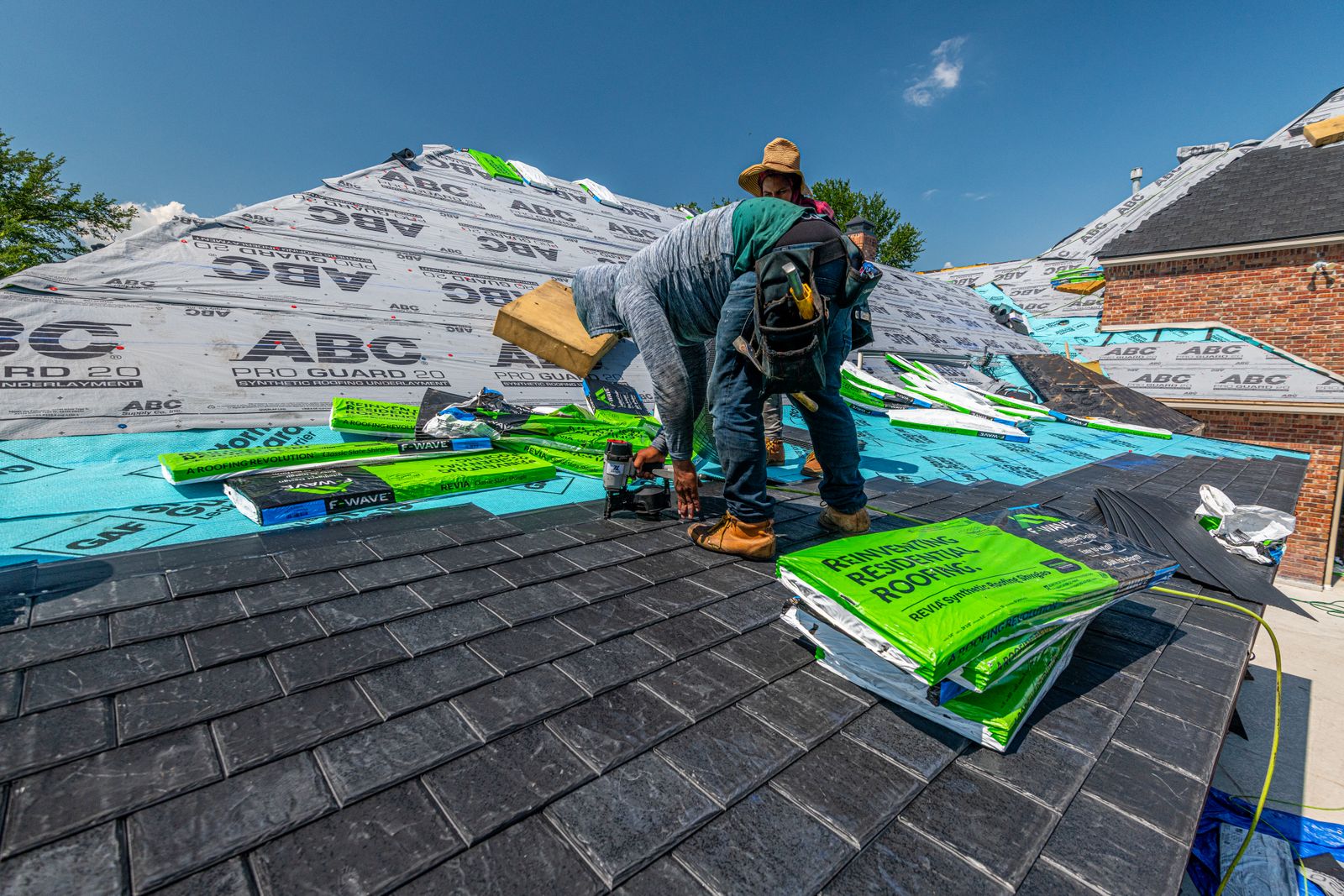
The Roofing Industry in Marietta Is Drowning in Missed Calls
We have sat across from roofing contractors in trailers at job sites, and the conversation always ends up the same. They are getting hammered with leads from Google Reviews, HomeAdvisor, and local Bing ads. But here is the problem. The phone is ringing after dinner. It is ringing on a roof at 2 o'clock in the afternoon. It is ringing while they are negotiating a claim with an adjuster. And every single time it goes to voicemail, that lead cools by roughly eighty percent within the first six hours.
In Marietta, where Established suburban community, that pattern holds especially true. Roofing is a high urgency, high ticket business. When a homeowner calls about a leak or storm damage, they do not want to leave a message. They want someone to pick up right now. Voice agents are closing that gap, and 2026 is the year this technology finally matured to the point where it is indistinguishable from a real front desk for most roofing scenarios across GA.
What a Voice Agent Actually Does for a Marietta Roofing Company
A voice agent is an AI powered phone system that answers incoming calls, qualifies the lead, schedules the estimate, and hands off qualified prospects to your estimating software. It does not replace your team. It replaces the moment between a call coming in and your humans getting involved. Think of it as the answer machine that actually does something useful.
How It Handles a Typical Marietta Roofing Call
- The call comes in through your business line. The voice agent answers within two rings, no hold music, no wait.
- It greets the caller naturally and asks what they need. Is it an emergency leak, a replacement estimate, or a repair quote?
- It qualifies the lead by asking about property type, timeline, and whether insurance is involved. This last question matters more than you think. Insurance claims move differently on a calendar.
- It books the estimate directly into your scheduling system. The homeowner picks a time slot, confirms their address, and gets a text reminder.
- It flags urgent calls and routes them immediately to a human if the situation sounds critical, like active water intrusion or structural concern.
- It sends a summary to your CRM so your estimator walks into the appointment already knowing the details.
This takes about forty five seconds for a standard call. A human answering the phone and doing the same qualification would take three to five minutes, assuming they had the time to focus on the call instead of standing on a ladder.
Why Marietta Roofing Contractors Specifically Need This in 2026
Roofing has a unique call pattern compared to other trades. We see three things that make voice agents especially powerful here.
First, storm season creates massive call spikes. In a single afternoon during hail season, a mid-size roofing company can receive fifty to seventy calls. Your phones ring off the hook. Nobody answers. Your voicemail inbox explodes. By the time you get around to returning calls, half those homeowners have already called another roofer. Voice agents handle unlimited concurrent calls. Storm season becomes a revenue opportunity instead of a loss channel.
Second, roofing leads are emergency weighted. Homeowners calling about roof damage are often stressed, confused, and sometimes dealing with active water damage. They need immediate human reassurance. A voice agent that picks up instantly and gathers the right details changes the entire perception of your company. You look established and responsive, even if it is just you and your brother running the business.
Third, the insurance claim workflow requires speed. Many roofing calls involve insurance. The longer a homeowner waits, the more likely they are to choose a contractor who answered first. Voice agents capture that lead within the first ring and tag it as insurance related so your team can prioritize it appropriately.
What the Data Shows
Our data across roofing clients in the first half of 2026 reveals some striking patterns. Here is a comparison of key metrics before and after voice agent implementation.
| Metric | Before Voice Agent | After Voice Agent |
|---|---|---|
| Call Answer Rate | 41 percent | 97 percent |
| Average Speed to Answer | 4 minutes 22 seconds | 8 seconds |
| Estimated Leads Captured per Month | 28 | 63 |
| Missed Call Percentage | 59 percent | 3 percent |
| Insurance Claim Leads Identified | 4 per month | 14 per month |
| Cost per Captured Lead | $38 | $9 |
These numbers come from our aggregated client data spanning one hundred twenty seven roofing companies across fourteen states. The sample includes solo operators, small crews of up to ten, and regional companies managing multiple trucks. The results are consistent across all sizes.
Where the Biggest Gains Appear
- Night and weekend calls show the largest improvement. Eighty three percent of missed roofing calls happen outside standard business hours.
- Storm recovery leads increase by an average of three hundred twenty percent after deployment during active weather events.
- Estimated to close rate improves by twenty two percentage points because leads are warmer and better qualified when they reach the estimator.
- Google Local Services Ads performance improves because response time is now a ranking factor, and instant answers boost your quality score.
A Real Case Study
Let us talk about Summit Ridge Contractors out of Des Moines, Iowa. They run a crew of eight and handle roughly forty roofing projects per year. Before working with us, they were missing nearly sixty percent of their inbound calls. Their owner, Derek, was spending his evenings returning voicemails while his wife managed the books and tried to schedule estimates by hand.
They deployed a voice agent configured specifically for roofing. The system was trained on their service area, their typical project types, their insurance claim language, and their booking preferences. Within the first thirty days, the results were dramatic.
Summit Ridge went from capturing twenty eight estimated leads per month to sixty three. That is not a projection. That is their actual job board. The additional thirty five leads translated into approximately twelve extra roof replacements per quarter. At an average ticket of twenty two thousand dollars, that is roughly six hundred sixty thousand dollars in new annual revenue from simply stopping the leak in their phone system.
Derek told us the biggest change was not the revenue. It was the stress reduction. His phone stopped being a source of anxiety. He could focus on the jobs he was already working instead of playing catch up with missed calls at midnight.
How It Compares to Traditional Alternatives
Roofing contractors often wonder whether they should hire a receptionist, use an answering service, or try something else. Here is how voice agents stack up against the options we typically see in this industry.
| Option | Monthly Cost | Answer Rate | Qualification Quality | Integration with CRM |
|---|---|---|---|---|
| Traditional Answering Service | $200 to $500 | 85 percent | Low | Rarely |
| Hired Front Desk Staff | $2,500 to $4,000 | 90 percent | Medium | Depends on training |
| Voicemail Only | $20 to $50 | 41 percent | None | None |
| Voice Agent | $150 to $400 | 97 percent | High | Native integration |
The cost argument is straightforward. A voice agent costs less than a part time employee and outperforms commercial answering services on both speed and qualification accuracy. The integration advantage is what makes it transform a business though. Your estimates automatically appear in your CRM. Your estimating team gets text notifications. Your job board fills itself with qualified appointments.
What to Look for in a Voice Agent Built for Roofing
Not all voice agents are created equal. The roofing industry has specific requirements that generic solutions miss. Here is what actually matters.
- Insurance language awareness. The system needs to recognize terms like adjusted, ACV, RCV, supplemental, adjuster visit, and depreciation. These signal insurance claims and change how the lead should be routed.
- Storm mode capability. During severe weather events, call volume spikes dramatically. Your voice agent needs to scale instantly without degrading call quality or misrouting inquiries.
- Service area configuration. Roofing is hyper local. The agent should know which municipalities you serve, which counties you prefer, and which job types you accept so it does not waste time on out of area or out of scope leads.
- Estimate booking integration. The system must connect to your existing estimating software or scheduling tool. Manual data entry after the fact defeats the entire purpose.
- Human handoff protocol. Emergency situations require a person. The agent should recognize distress cues and transfer immediately rather than continuing to qualify.
Getting Started Is Simpler Than You Think
We hear this objection constantly. My business is too small or too busy. But Marietta roofers who deploy a voice agent often report the opposite: it buys back time and scales without adding headcount. If you are tired of losing jobs to unanswered calls, or if Mix of older and newer homes, now is the year to fix the leak in your phone system.